Basics
What is ceremonial cacao?
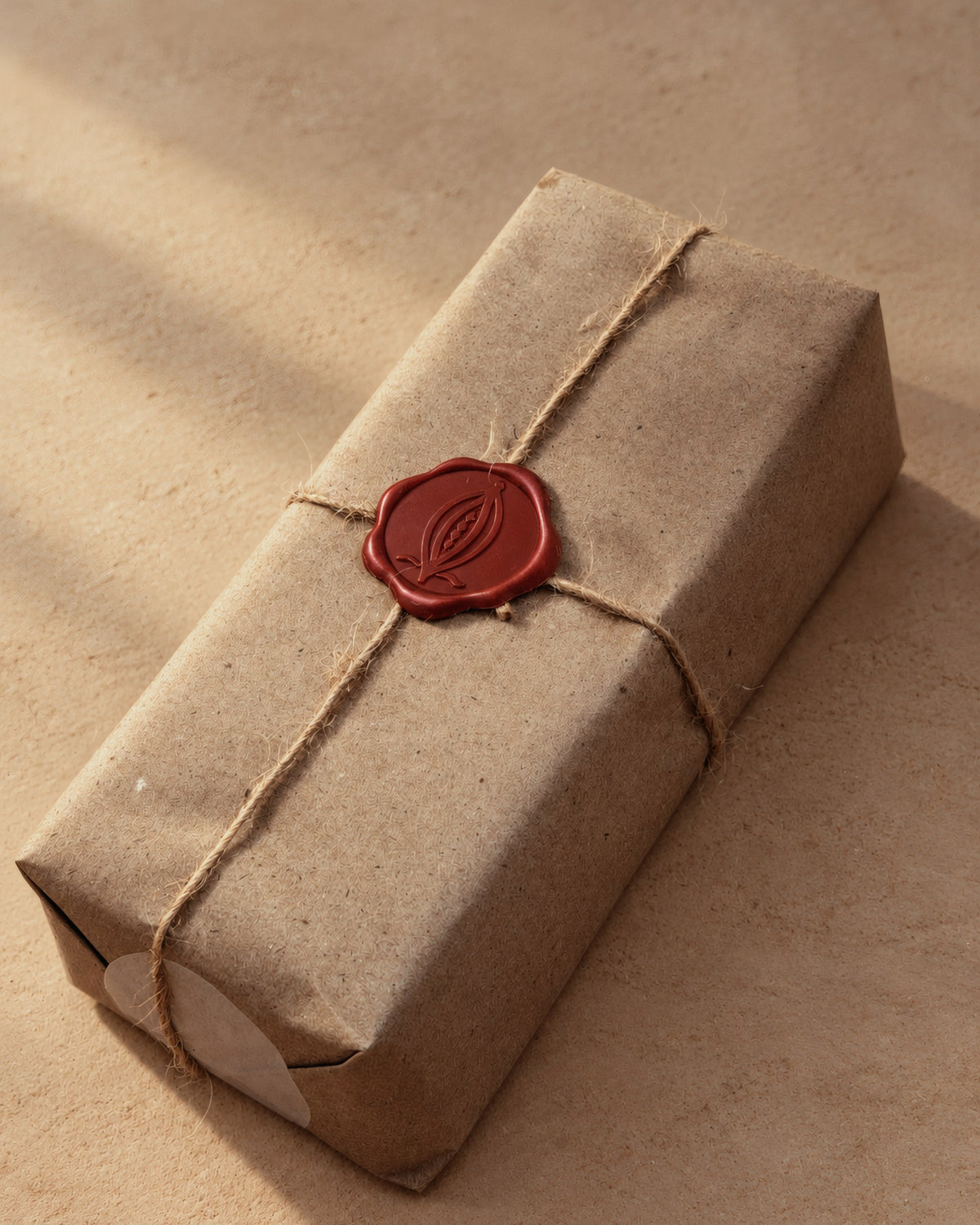
Ceremonial cacao is whole cacao beans, fermented, roasted, shelled and ground into a paste with all of their natural butter, then set into a block. You chop it and blend it with hot water for a thick, deep drink. “Ceremonial” isn’t a regulated grade; it describes how the cacao is meant to be enjoyed.
 By Katya
Updated
2 min read
What does “ceremonial” actually mean?
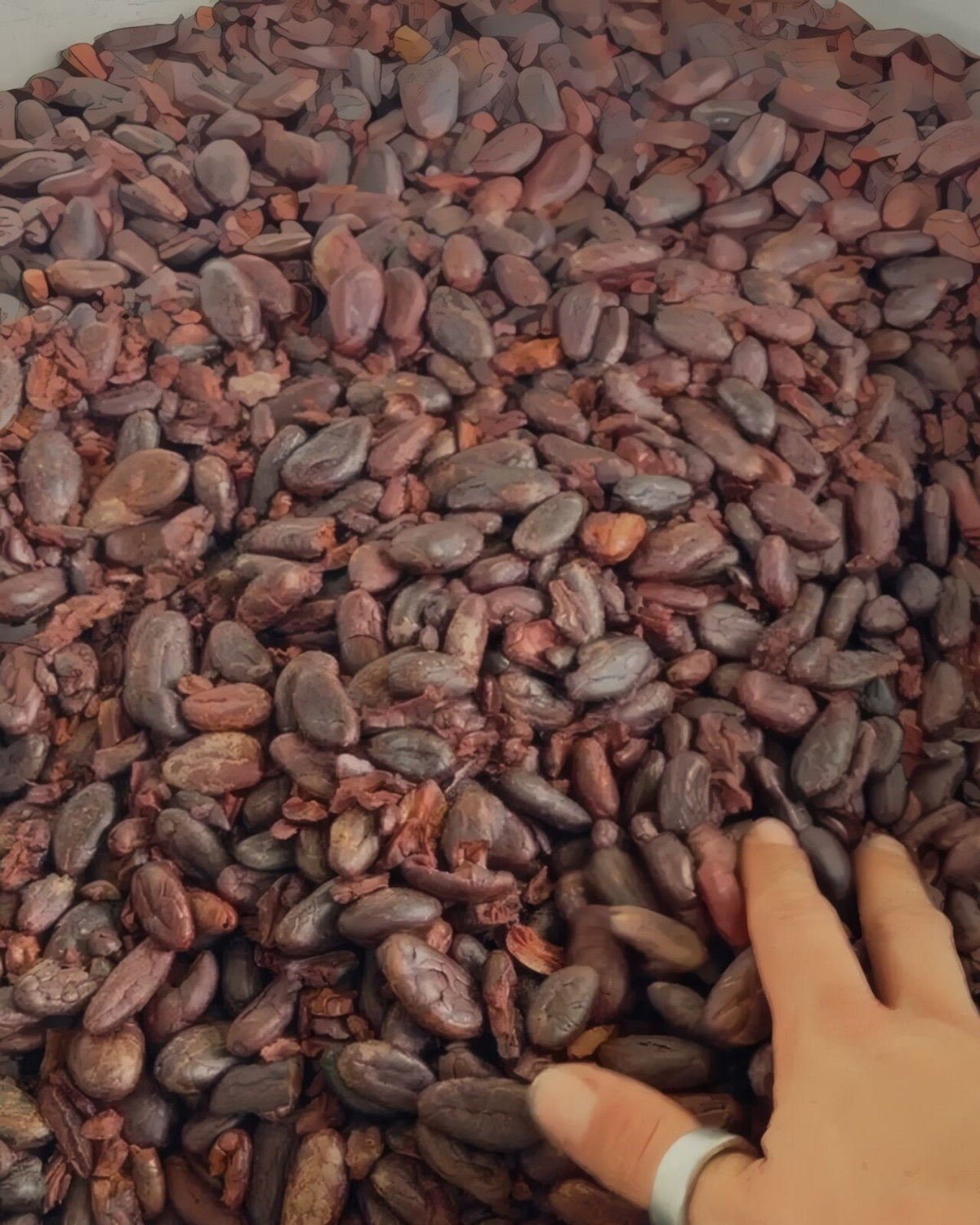
At its heart, ceremonial cacao is a paste: whole cacao beans ground until their own butter melts and they turn into a thick, glossy mass, also called cacao paste, cacao liquor or cacao mass. Nothing is pressed out and nothing is added, so a cup made from it is whole cacao.
The word comes from cacao’s long history in Mesoamerica, where the Maya and their neighbours prepared cacao drinks for feasts, offerings and hospitality (more in a short history of cacao). Today there is no official standard for “ceremonial grade”, and anyone can print it on a package. In practice, people use it for whole-bean cacao paste that is minimally processed, made in small batches and meant to be prepared as a drink and enjoyed with some intention.
We use the word because it describes how we like to drink our cacao. Every ALPAKA block is this kind of whole-bean paste, made in small batches at our workshop at Lake Atitlán.
How to choose ceremonial cacao
There is no checklist for this. Taste, notice how a cup feels to you, and your heart will tell you which cacao is yours.


