Guatemalan cacao & Lake Atitlán
ALPAKA cacao is made from fermented cacao beans grown in Guatemala, and every block is roasted, winnowed, ground and poured in our workshop at Lake Atitlán. Guatemala is part of the historic heartland of Mesoamerican cacao traditions. Here’s what that means for the cacao in your cup.

At a glance
| Bean origin | Fermented, dried beans from Guatemala |
| Bean state when we receive it | Fermented and dried |
| Where we make the blocks | Our workshop at Lake Atitlán, Sololá, Guatemala |
| Where we ship from | Pāhoa, Hawaiʻi, USA |
| Main cacao regions of Guatemala | Alta Verapaz, Suchitepéquez, San Marcos, Petén, Izabal |
Cacao in Guatemala
Cacao has grown in this part of Central America for thousands of years. The Maya grew it, traded it and prepared it as a drink, and the Pacific lowlands of southern Mexico and Guatemala were known for their cacao long before the Spanish arrived. You can read more in a short history of cacao.
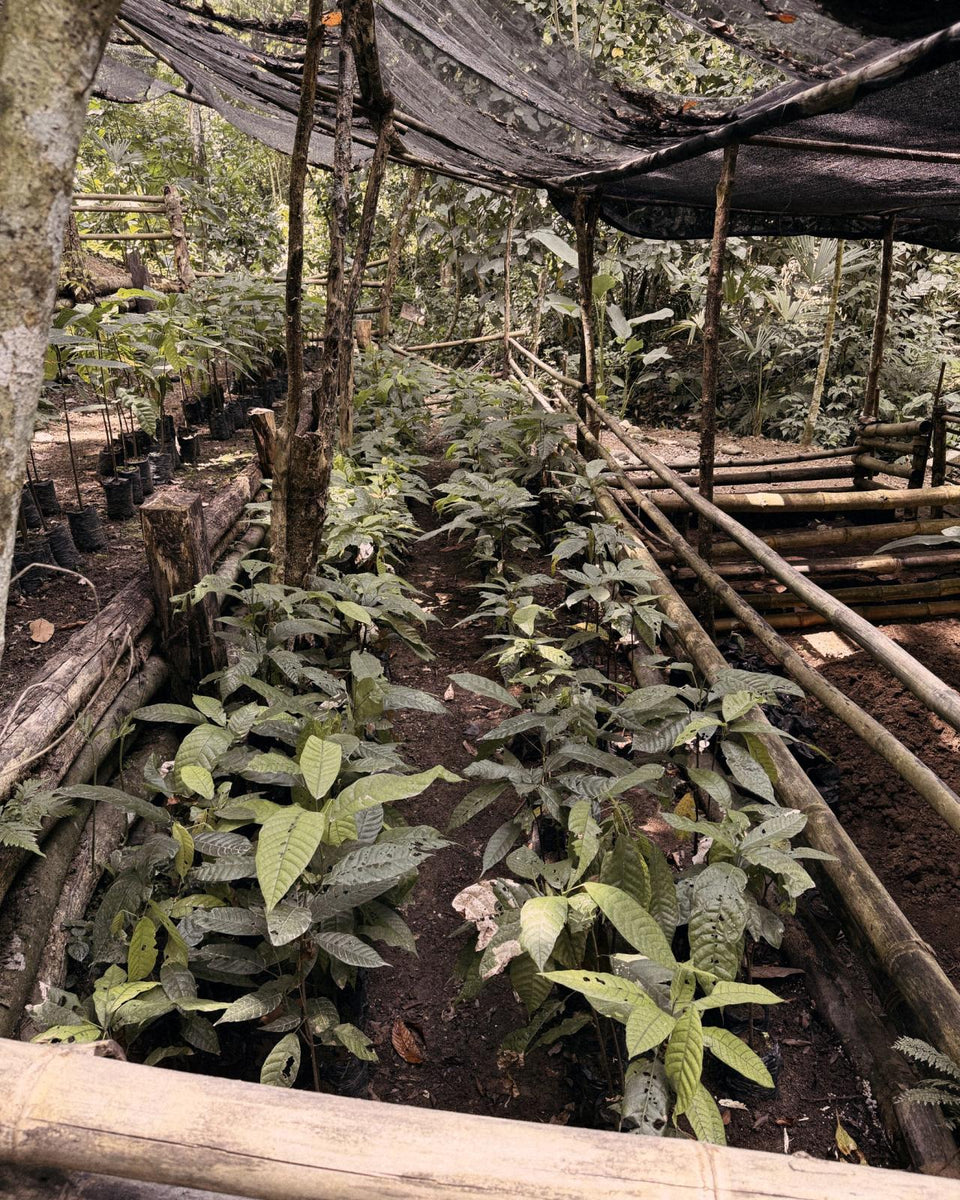
Today Guatemala grows a small amount of cacao compared with West Africa or South America, mostly on family farms. The main growing areas are in Alta Verapaz in the north, along the Pacific lowlands of Suchitepéquez and San Marcos, and in Petén and Izabal. Many farms grow cacao under shade trees, alongside other crops.
Lake Atitlán
Lake Atitlán is a deep volcanic lake in the highlands of Sololá, about 1,560 m (5,100 ft) above sea level, with three volcanoes on its southern shore. Cacao doesn’t grow at the lake itself; it’s too high and cool. What the lake gave us was a home for the workshop, a community, and the reason for the whole project.
Why we only say “Guatemala”
We buy our beans already fermented and dried. Right now we can confirm the country but not the exact region or farm, so that is all we say. We’d rather tell you less than tell you something we can’t stand behind.
We also don’t call our cacao “criollo” or any other variety. Most cacao in Guatemala today is a mix of types, and naming one without genetic testing would be a guess.
A note on the farm in our photos
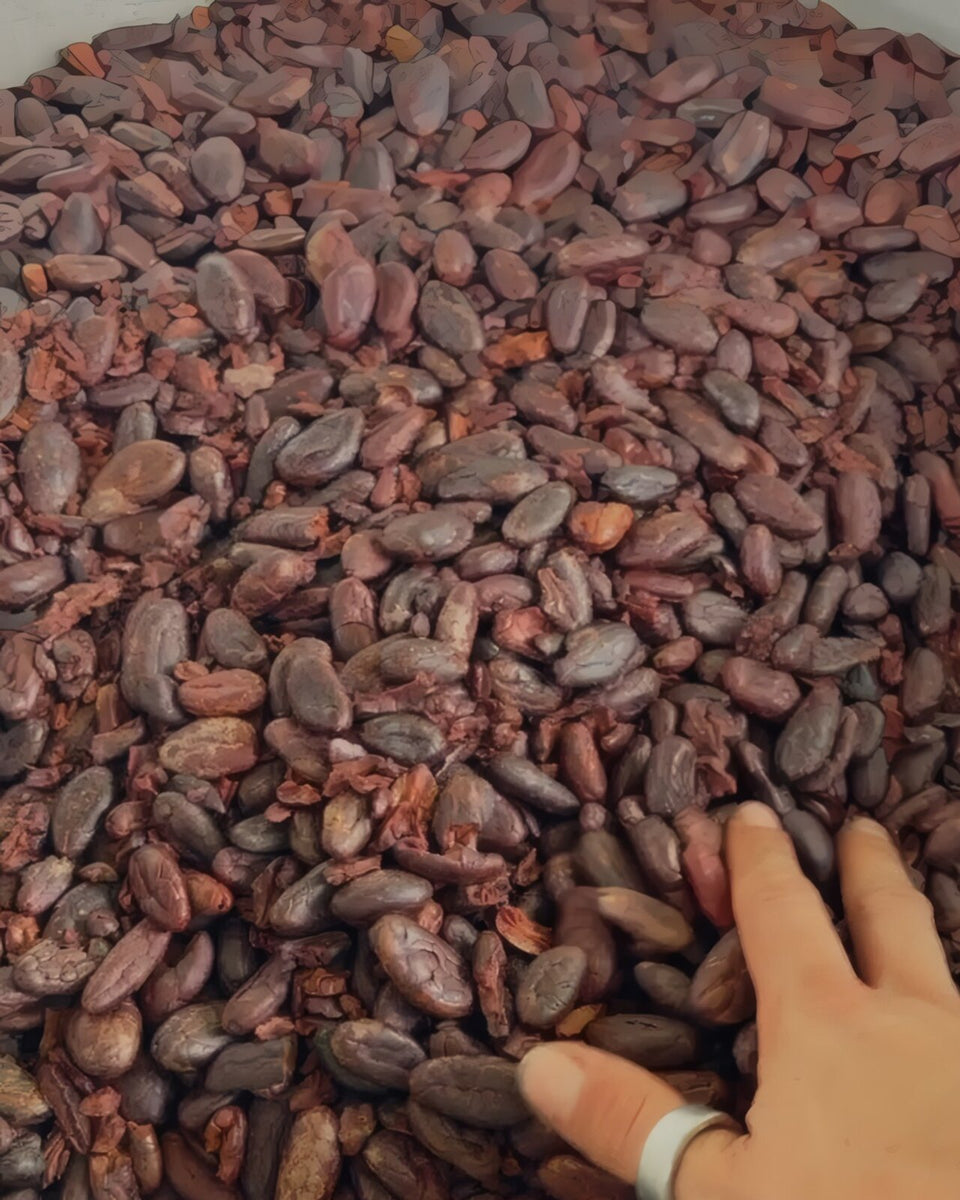
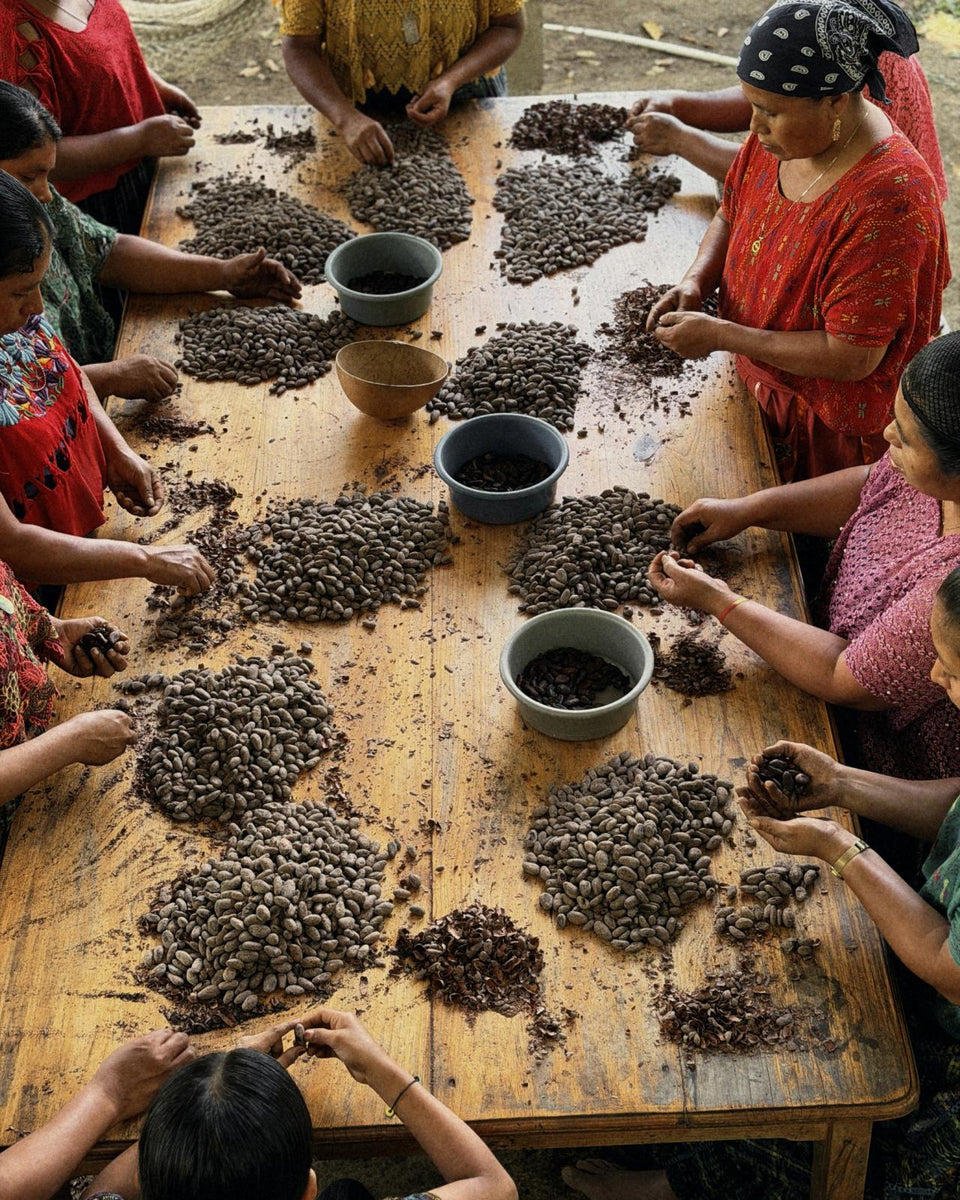
Some photos and short films on this site show a farm near Lanquín, in Alta Verapaz, where I learned the traditional way. It has worked with cacao for a long time, together with many Maya families, and we share the photos with their permission. Our own beans come from elsewhere in Guatemala.
— Katya
Questions
Where did cacao first come from?
From South America. The oldest evidence of cacao use is from Ecuador, around 5,300 years ago. Guatemala is part of the historic heartland of Mesoamerican cacao traditions, where cacao drinks became central to Maya life.
Is your cacao grown at Lake Atitlán?
No. The beans are grown elsewhere in Guatemala. We make the blocks at the lake.
Is it organic or fair trade certified?
No, not at this time. We don’t use these labels because we don’t hold the certifications.
Taste it at home
Fermented Guatemalan beans, made into blocks in small batches at the lake. 100% cacao, about 22–30 cups in a block.